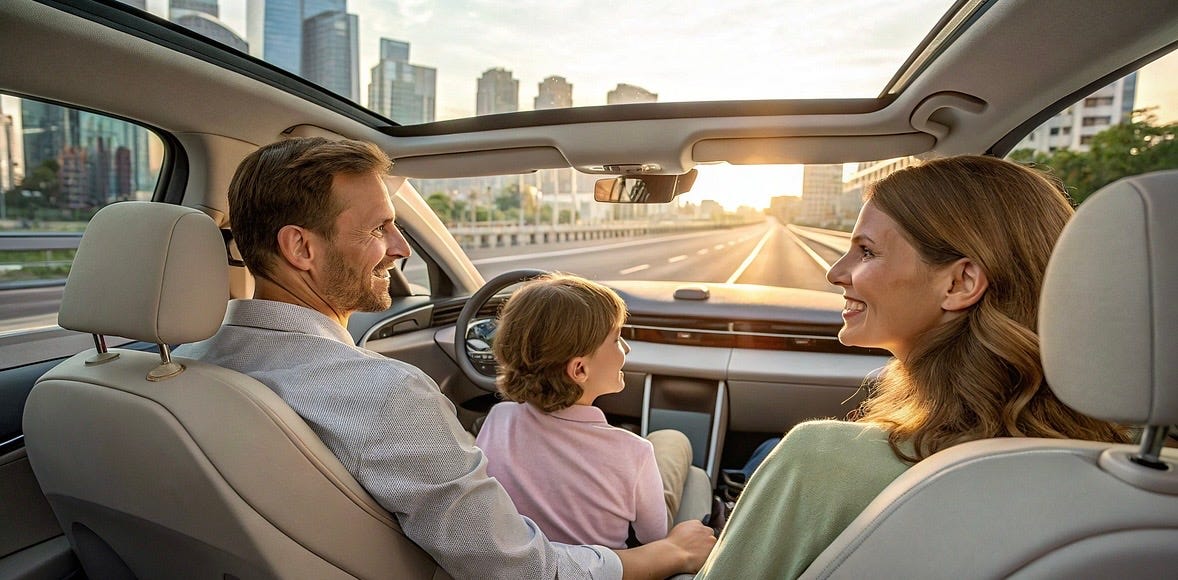
Autonomous vehicles — cars equipped with artificial intelligence and advanced sensor technologies — are designed to operate without human drivers. Today, major automotive manufacturers and tech giants are investing heavily to make self-driving cars an everyday reality. But is the technology truly ready to take over our roads?
1. How Do Autonomous Vehicles Work?
These systems rely on a combination of radar, LIDAR, cameras, and AI algorithms to perceive their surroundings and make real-time driving decisions. They can recognize traffic signs, detect pedestrians, and respond instantly to avoid accidents.
2. Levels of Autonomous Driving
Autonomous driving is categorized into five levels:
- Level 0–1: The driver has full control.
- Level 2: Partial automation with features like adaptive cruise control and lane-keeping assist.
- Level 3: The car can drive itself in certain conditions, but driver intervention may still be needed.
- Level 4: Fully autonomous in specific environments or geofenced areas.
- Level 5: Full automation with no need for a steering wheel or pedals — completely driverless.
3. Benefits of Autonomous Vehicles
- Potential to significantly reduce traffic accidents
- Improved fuel efficiency and environmental sustainability
- Smoother traffic flow in urban areas
- Greater independence for elderly and disabled individuals
4. Challenges and Safety Concerns
- Legal and ethical dilemmas: Who is liable in the event of an accident?
- Cybersecurity risks: Could autonomous systems be hacked?
- Infrastructure gaps: Traffic systems and roads may need upgrades to fully support autonomous navigation.
5. When Will Self-Driving Cars Become Common?
Vehicles with Level 2 and 3 autonomy are already on the roads today. However, widespread use of fully driverless cars (Level 4–5) still depends on both technological maturity and regulatory frameworks.
Autonomous vehicles offer the potential to make transportation safer and more efficient, but full integration into daily life will take time. MehirApp can help you manage your transportation budget and make informed investments in next-generation mobility solutions.